Author: Alejandro Malespin

Positive Parenting with Michelle Vo, MD

In March we had the pleasure of hosting Montessori parent of 3, Michelle Vo, MD, for our Parent Education Event.  Michelle presented on the subject of Positive Parenting; a method that focuses on developing a strong relationship between parent and child and which is based on mutual respect and communication.  It’s purpose? To create strong emotional connections between parent and child.

Positive Parenting aligns beautifully with Montessori in that it meets a child where they are at developmentally and the adults are considered guides. This is different from some more traditional approaches where the parent is the disciplinarian.

Michelle spoke to us about parent self-regulation, with reminders to take care of our selves so that we could remain emotionally available and feel successful as parents.  As parents, we are our children’s safe space and approaching this task mindfully and intentionally is crucial to creating a safe and secure space in which our children learn and grow. Once we are on safe ground, we can work to create one of the most desired human needs; connection.  Connection is built successfully through engagement and attention.

We are very appreciative of Michelle’s time and those of us who attended her workshop were inspired by all she shared.  We look forward to the future opportunity to learn from Michelle and other FMSL parents.

FMSL Sponsored Girls From COEEF Update

We received letters from our two girls we sponsor through the COEEF Program: Mariana Dereje, 1st Grade  and Bethehem Eyob Shenkute, 12th Grade.

We also received cards from two of the young women whom we sponsored that graduated from 12th Grade and the COEEF Program last year! They hadn’t had a chance to update us with photos and news of their final graduation year. It has been fun to follow these beautiful young women from the time of being young girls beginning the program. It is also so encouraging to read of their plans to continue their education and begin college.

The letters are on display in the school entry way, available to admire. We hope that you will enjoy reading them! If you would like to write letters or draw pictures with your own students to send back to our girls, please feel free to do so! You may bring your letters and/ or drawings to the FMSL office.

2019 Upper Elementary’s Annual GO Nature Card Sale

In April, the Great Outdoor Program (GO) finishes their Nature Cards and sells them at the annual Nature Card SaleThis sale will take place Friday, April 19th before and after school. Please mark your calendars for this special day in which students get to share their studies and art work as it relates to the students’ In-Depth Studies based on the theme of the year, Utah Native Plants!

Students have worked hard and taken their time to create unique and beautiful works of art to share with the community. The schedule for the sale will take place as follows in the lobby of the school:

8:15am-9:15am- Upper Elementary’s Spruce Group

2:45pm – 3:45pm- Upper Elementary’s Pine Group

Please also note that we will only accept cash during this card sale, Thank you!

Utah Youth Climate Strike

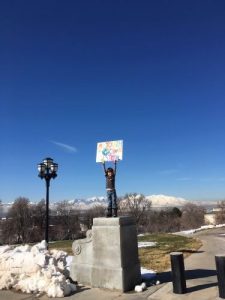
Our children are making a stand to put and hold todays leaders accountable. Last Friday, March 15th, 2019 children gathered at the Utah State Capitol to add pressure to their message: time is running out to protect our planet from a climate crisis. We hope the words from our youth will nudge leaders along to stop dragging their feet on such critical issues.

This event did not just take place in Utah but worldwide protests and strikes took place with the important message geared directly toward leaders and lawmakers. Their message is loud and clear, changes must be made. Our children are raising their voices and it is time adults start listening.


Montessori Educational Programs International Conference for Foothill Montessori of Salt Lake

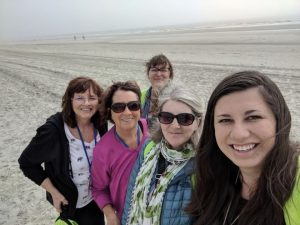
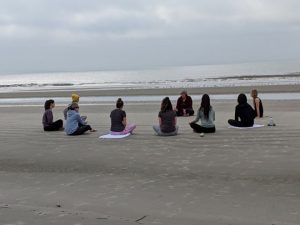
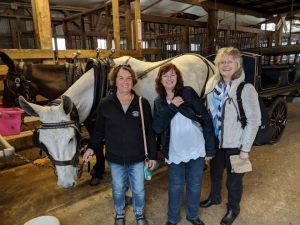
Within this academic year our full staff has been offered the opportunity to attend two annual Montessori conferences that are hosted in Utah by the Utah Montessori Council. In addition, two weeks ago, twenty-two of our teachers and Administration team flew to Kiahwah Island, South Carolina to attend a national conference being hosted by M.E.P.I. (Montessori Educational Programs International).

The conference offered many classes for all program levels as well as Administration. Some examples of classes were – Common Sense Parenting, Preparation of the Environment, Cosmic Education, Labyrinths for Beginners, Celebrating International Diversity through United Nations, and Peace off the Table. Please see details of the wonderful Keynote Speaker, Barbara Coloroso. Our staff always come away from the conferences inspired and excited to implement their new knowledge into their curriculum.

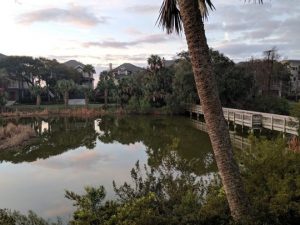
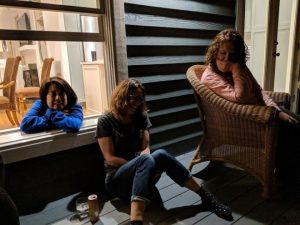
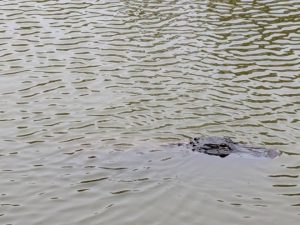
We all stayed in two beautiful houses on Kiawah Island that were located beside each other overlooking a pond in which lived two resident American alligators. We find that a great benefit of these out of state conferences is that we all grow to know each other on a more intimate level and that builds a stronger community and unification of each program and curriculum.

On the last day, some of our staff chose to stay later on the Sunday to give us a chance to explore a little of the city of Charleston. What a fascinating city filled to the brim with so much early American history. We all wished that we had had more time to explore and many of us plan to return to visit this area again.

For those of us who were fortunate enough to visit Charleston, we had one little glitch in our schedule. A major storm hit the south-east that afternoon and our plane out of Charleston en route to Charlotte was delayed and we missed our connection to Salt Lake City. Fortunately for us, our teachers who returned earlier along with eight substitutes were able to cover the missing staff.

And one other unfortunate event was that when the staff who were returning home on the very early morning flight were preparing to leave, one of our Early Childhood staff fell down some stairs and ended up breaking one ankle in three places and spraining the other ankle. She is currently recuperating at home and we are grateful to all of you who have signed up to provide meals.

All in all, we had a wonderful educational adventure and this was partly made possible from the funds raised for the Teacher Education Fund over the past two years. Our sincere thanks to all of you and your support of the Montessori philosophy and education for your students.


Summer Camp 2019- Deadline January 31, 2019 for Withdrawals Only

We are already making plans for activities for Summer Camp 2019 for your children. We know that people’s plans do change and this is a reminder of the withdrawal policy for Summer Camp. It is as follows:

After January 31, 2019, you will be responsible for 100% of the school Summer Camp tuition if you chose to withdraw your student. There is also a $75.00 schedule fee that is required for administrative costs to initiate the withdrawal from the program and FACTS management system.

Please respond to this email or contact the Business Manager no later than January 31st, by email request, should you need to withdraw from the Summer Camp 2019.

Please give a call so we can address any questions or concerns.

Lock-Down Drills at FMSL

Schools should plan for the rare possibility of an intruder as part of a comprehensive crisis/emergency preparedness effort; however, the nature and extent of those preparedness activities should be based upon a risk assessment of the crisis events a given school is most likely to confront.

A Lock Down Drill is scheduled for February 12, 2019.  This emergency procedure at FMSL involves staff –

  • Sweeping and clearing hallways
  • Turning off classroom lights
  • Locking doors
  • Sheltering with children in our agreed upon secure areas
  • Taking roll
  • Waiting for the all clear

We recognize that this drill in particular can sometimes cause anxiety and concern for parents and guardians, students, and educators too. For the adults, being familiar the procedure and ones responsibilities within that process can bring assurance and comfort. Practicing can prepare and be of comfort to the children with the fact that their teachers, parents and guardians, and the school have a plan, and therefore help them feel more in control.

While we make every effort to give clear and careful explanations so as to minimize worries, we know that opportunity to talk with parents about the circumstances that necessitate these drills can help children immensely too. Please take some time to read this and reach out to your student’s teachers should you have questions about this particular drill.

GENERAL STRATEGIES FOR TALKING WITH STUDENTS:

  • Emphasize listening to authority figures for safety.
  • Practicing means being prepared. Just like we practice fire drills to know what to do in case there’s a fire, we are now going to practice being safe when there is trouble around.
  • This is a “just-in-case” plan. Like wearing a helmet when riding bikes or knee pads when we skateboard. We don’t plan to fall, but if we do, we’ll be protected.

DEVELOPMENTAL AND MENTAL HEALTH CONSIDERATIONS

  • Children model their reactions on adult behavior, so staff should be mindful to breathe and maintain their composure as that will inspire calm and confidence in students.
  • It is critical that participation in drills be appropriate to individual development levels, and take into consideration prior traumatic experiences, special needs, and personalities.
  • Adults should monitor participants during the drill and use their best judgement to determine whether the group can handle waiting for the all clear or halt the drill early if necessary.

Age appropriate ways to explain this drill to the students – adapted from Judith Simon Prager, “Talking to Kids about a ‘Lockdown’”

“Every day, we do things to keep ourselves safe. Let’s think of some examples. What do you put on before you start biking? What do you do before walking across the street? Another way we stay safe is by practicing for things that probably won’t happen but it is good to be prepared for just in case. One way we do this at school, for instance, is by practicing fire drills and earthquake drills. Practice helps us know what to do just in case of an emergency.

Another kind of situation we can prepare for is when we need to keep you safe from a stranger while you are at school. This would probably never happen but just like a fire drill, we can practice our response so we are prepared.

We are all here to keep you safe. Practice means we are prepared and can feel confident that we all know what to do just in case. Having a plan like this and practicing what to do in a shelter drill means that we don’t have to worry about these concerns and instead we can focus on having fun and learning at school.”

Toddler and EC Directions

  • Stop what you are doing
  • Go to our classroom’s Shelter Spot (or join a trusted adult that is calling you)
  • Make Silence

Elementary Level Directions

“The acronym PAL can help

  • P is for PAUSE: First, pause and take a deep breath. Breathing helps your mind work.
  • A is for ADULT: Wherever you are on campus, find a trusted adult. If you are in the classroom, stay there and gather in the classroom Shelter spot. If you are outside, look for the teacher or other adult closest to you to tell you what to do and where to go.
  • L is for LISTEN: Listen to the adult’s instructions. The adult will know what to do and will tell you. This is trickier than a fire drill because depending on where you are, you won’t always go to the same place each time. You will know what to do if you listen. Also during this time, the teachers will lock the doors to their classrooms. When everything is safe, the adult will tell you that everything is all clear and we can go back to our regular school day.”
RESOURCES:

NASP (National Association of School Psychologist) article notes on armed assailant drills…
http://www.nasponline.org/Documents/Research%20and%20Policy/Advocacy%20Resources/BP_Armed_Assailant_Drills.pdfSocial Story

Winter Sports: The Challenge and the Benefits

Yes! The first two weeks of FMSL’ Winter Sports Ski and Snowboard lessons have gone well. Thank you to all those staff and parent volunteers who are making this program so successful and organized.

Why skiing and snowboarding, you wonder? It has always been a goal to be able to give each elementary student the opportunity to explore the sports as part of our great Wasatch Front, and world-renowned mountain slopes.

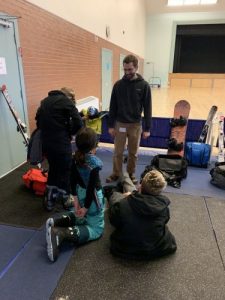
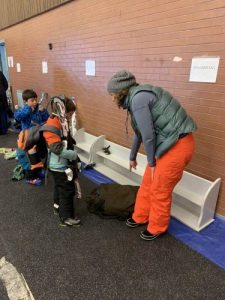
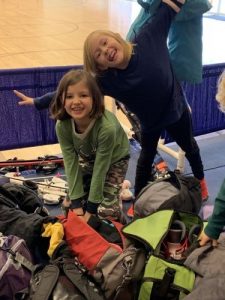
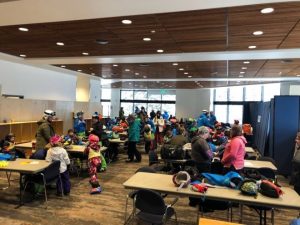
Transporting eighty plus students, with gear, snacks, and equipment is no small feat. There is a lot of preparation, practice, and patience involved. There is nothing quite like the panic of missing snow-pants, a broken clasp on a helmet, or the confusion of 4 sets of skis that all look alike and the label has rubbed off.

However, and whatever the new challenge is, the buzz and nervous excitement of the students makes it all worth it. Our students are challenged in every way, taking on Winter Sports. They are leaving their regular school day schedule with several tricky transitions from eating lunch earlier, changing into proper clothing and gear, keeping track of gear and bags, moving to and from proper busses, meeting up and working with different groups of peers and instructors, developing new skills, and so much more.

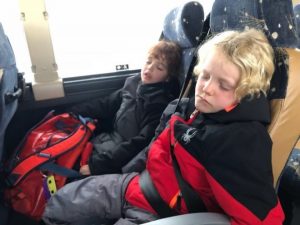
You have probably noticed your students are exhausted by the end of the day! Not only are they getting such a great physical workout with carrying their gear back and forth, staying on their feet for the two- and half-hour lesson, and all the muscle groups in their legs, they are receiving many social and emotional benefits as well.

Some of the added benefits for this kind of activity are as follows:

  • Increased circulation equals increased endorphins and adrenaline: this can elevate the mood and provide an overall sense of wellbeing and contentment.
  • Greater sense of spacial awareness: being able to judge speed, distances, and body position begins with your mind and its’ ability to interpret surroundings.
  • Better Sleep: at the end of the day with so many charged interactions between brain and body, you might notice the Sandman comes to your home and a deep, healing sleep will come.
  • Improved concentration and thinking capacity by making strategic decisions like the best route and considering other moving objects around you. This means a greater capacity to learn in all areas of life flexing the correct brain muscles to decrease chances of suffering from mental decline in old age.

We look forward to the remaining lessons this season. Please don’t forget sunscreen and NUT-FREE snacks and water bottles for the bus rides. If you have any questions, feel free to contact the FMSL Office.