Author: Alejandro Malespin

Earthquake Protocol at FMSL

During an Earthquake:

  • Stay calm.
  • Drop, take Cover and Hold On until tremor(s) has subsided. Stay where you are. If you are inside, stay inside, if outside, stay there.
    • If inside, crawl under a desk, table or bench, hold on to the structure with one hand while covering head/neck with the other.
    • If no protection is available, drop to the floor, cover your head with your hands and crawl to the closest supported doorway, or along an inside wall or corner if you can safely do so.
    • If outside, move to a clear area if you can safely do so; avoid power lines, trees, signs, buildings, vehicles, and other hazards. Then Drop, Cover, and Hold On.
  • Avoid windows, hanging fixtures, bookcases, or outside walls until the shaking stops.
  • The electricity may go out and/or the fire alarms may activate.

Immediately After an Earthquake:

  • Evacuate students and staff to the assembly point or alternate safe area(s).
  • Be prepared for aftershocks.
  • Do not move the seriously injured unless they are in imminent danger.
  • Do not touch electrical power lines or broken electrical equipment.
  • Do not use the telephone, light switches, matches, candles or other open flame unless you are absolutely sure there is no natural gas leaking.

Teaching & Support Staff Checklist

  • Evacuate to designated areas of the assembly point with emergency backpack and class roster.
  • Take roll & display Green/Red card as appropriate.
  • Administer first aid where necessary.
  • Wait for FMSL Admin to give the next directive.

Administration Checklist

  • Evacuate to assembly point with emergency supplies, master roster and sign-out sheet from office.
  • Take master roll.
  • Convene emergency response team and implement crisis response procedure as needed.

Crisis Response Procedures Checklist

  • Distribute supplies as needed from the Emergency Supply Shed.
  • Delegate someone from Facilities to check natural gas, water and electrical lines and report any damage to the appropriate utility.
  • If there is cell phone service and email, notify families about pickup location via emergency notification system.

Welcome Home Robyn

Robyn is happy to be back in her US home, slowly readjusting to the time change and re- learning how to incorporate COVID safety measures into her daily life. We are delighted that she is back stateside and are looking forward to having her be more able to regularly contribute to our community.

FMSL COVID Data

To date, within the FMSL population, we have had a total of 15 positive cases of COVID-19 occurring amongst our students and staff.

 ​Figure 1. Total positive cases to date

From the start of the school year and up to the Winter Break, all of the positive cases were staff (5 of 5 positive cases staff). Since Winter Break, all but two of the positive cases have been students (7 of 9 positive cases students).

Figure 2. Positive cases by program

​Importantly, there has been very little community spread (defined as transmission within school). Our one instance of likely transmission within the school occurred in March in the Uinta classroom (Upper Elementary).

3 of 21 individuals exposed, tested positive, all within the same 14 day window. This is considered a classroom outbreak. The Uinta community effectively quarantined for 10 days.

Figure 3. Individual versus classwide quarantine in total known cases (within and outside school)

In total thus far, the school has received notification of 39 exposures to COVID-19 affecting our community. Approximately 75% of those exposures were successfully managed using individual quarantine, and we were able to avoid classwide or group quarantine, as exposure occurred outside of the school setting.

Our gratitude to Kate Beebe for revising this blog post and creating the presentations of the data. We are so very grateful for the partnership of our community.

Update to FMSL COVID-19 Policy & Protocols

Policy Update 3/15/21

Staff are considered immune, or protected from the virus, 2 weeks after they have received the appropriate dosage of a COVID vaccine. This means, 2 weeks after they are fully vaccinated, they will not be required to quarantine, even if exposed to someone who tests positive.

However, if any symptoms of COVID-19 present following an exposure, vaccinated staff will be expected to stay home, isolate and contact their healthcare provider for guidance.

All staff are still required to follow the school’s COVID-19 policy and procedures as outlined in Safe Return to School.

This policy is effective as soon as the school receives and notes the appropriate documentation of an employee’s vaccine status.

Please Review the Following Information from the CDC

  • At this point, data shows that COVID-19 vaccines are effective at preventing COVID-19 disease, especially severe illness and death. However, we are still learning how effective the vaccines are against variants of the virus that causes COVID-19. Early data show the vaccines may work against some variants but could be less effective against others.
  • We are also still learning how well COVID-19 vaccines keep people from spreading the disease. Early data show that the vaccines may help keep people from spreading COVID-19, but we are learning more as more people get vaccinated.
  • We’re still learning how long COVID-19 vaccines can protect people.
  • As more becomes known, guidance for vaccinated and unvaccinated people may be modified.

Please read the full article here.

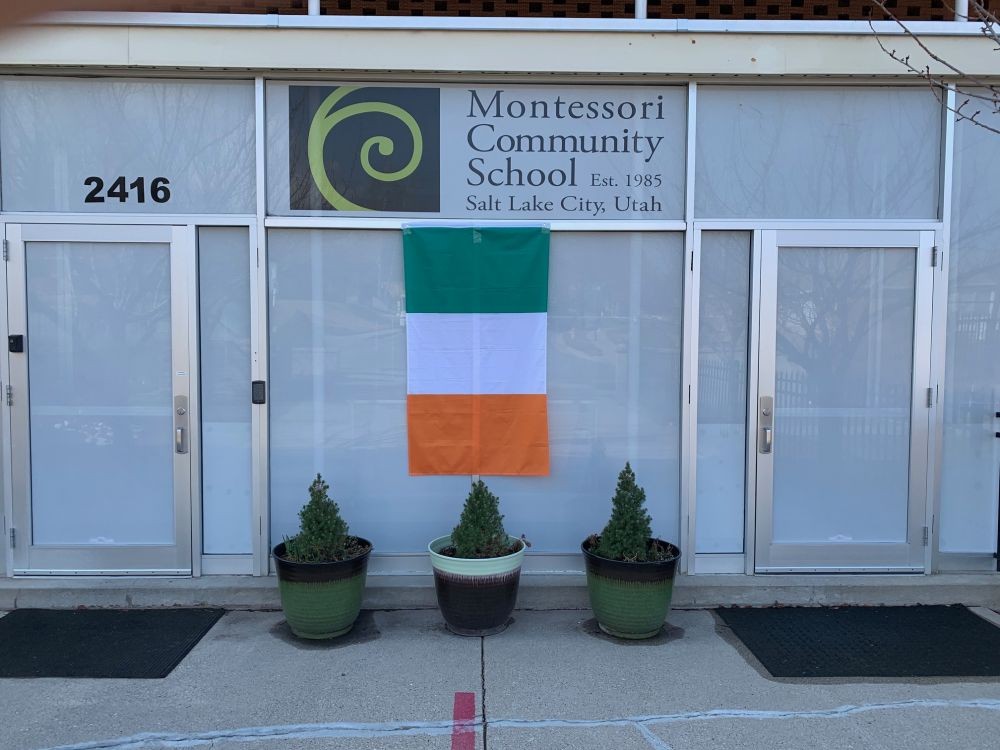
Happy Saint Patrick’s Day

Lá Fhéile Pádraig sona daoibh!

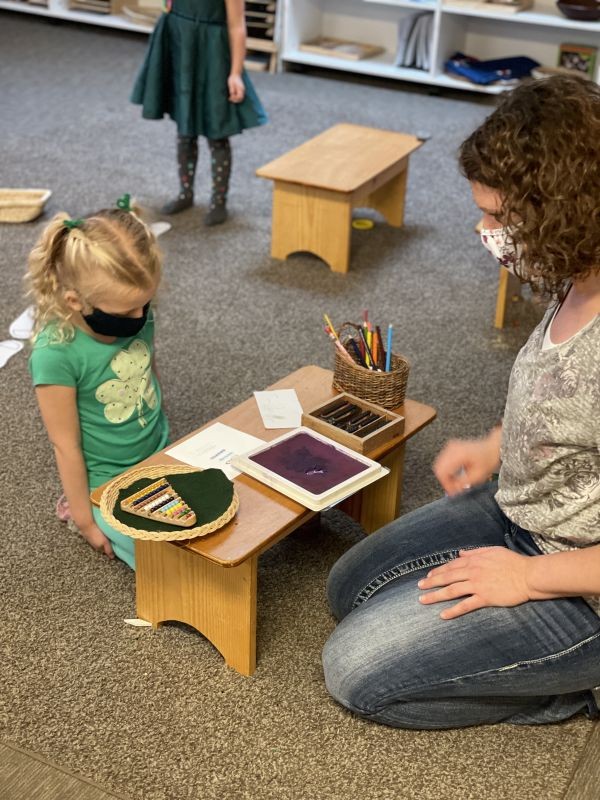
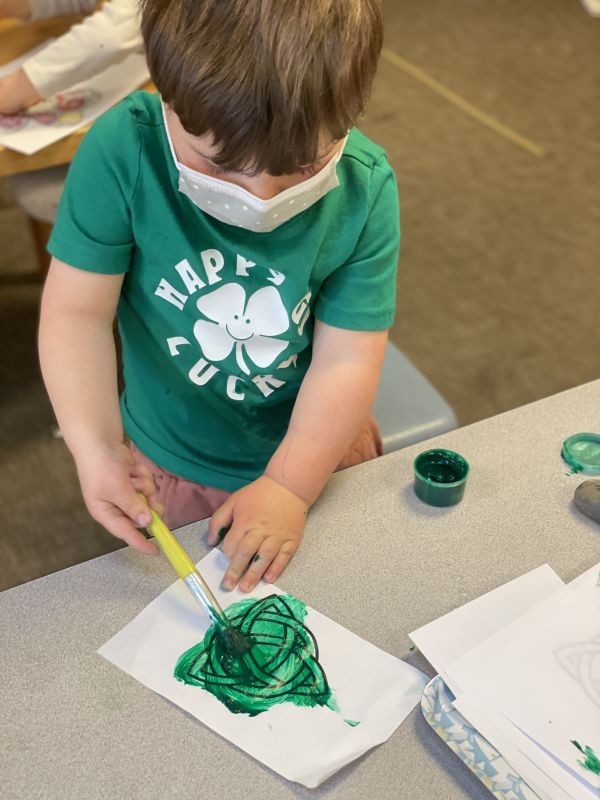
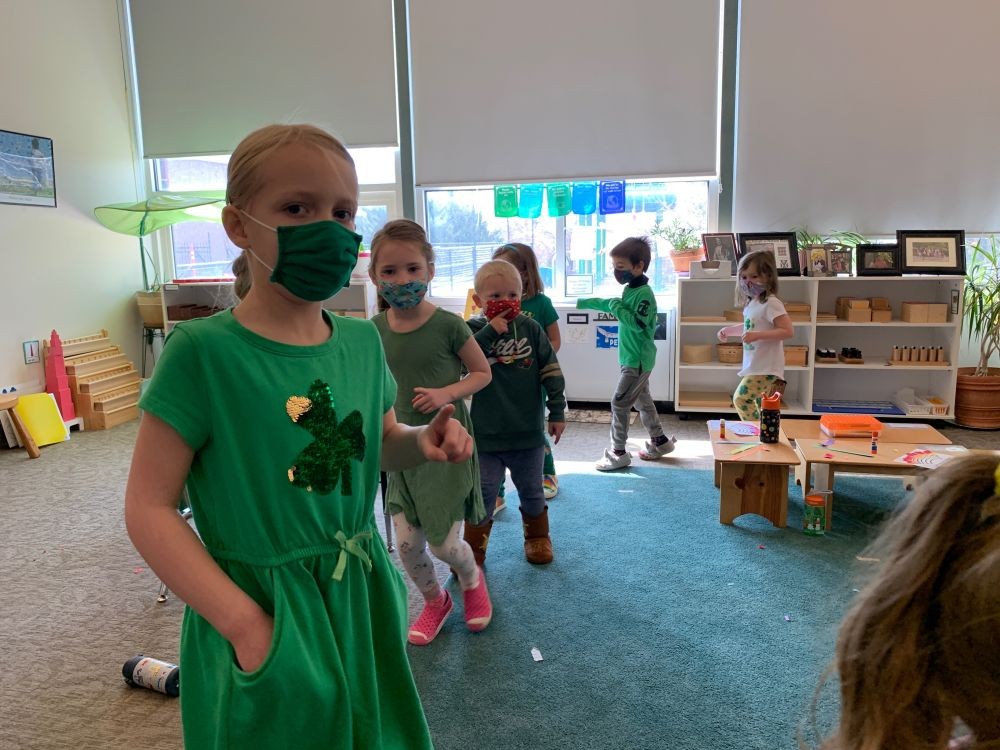
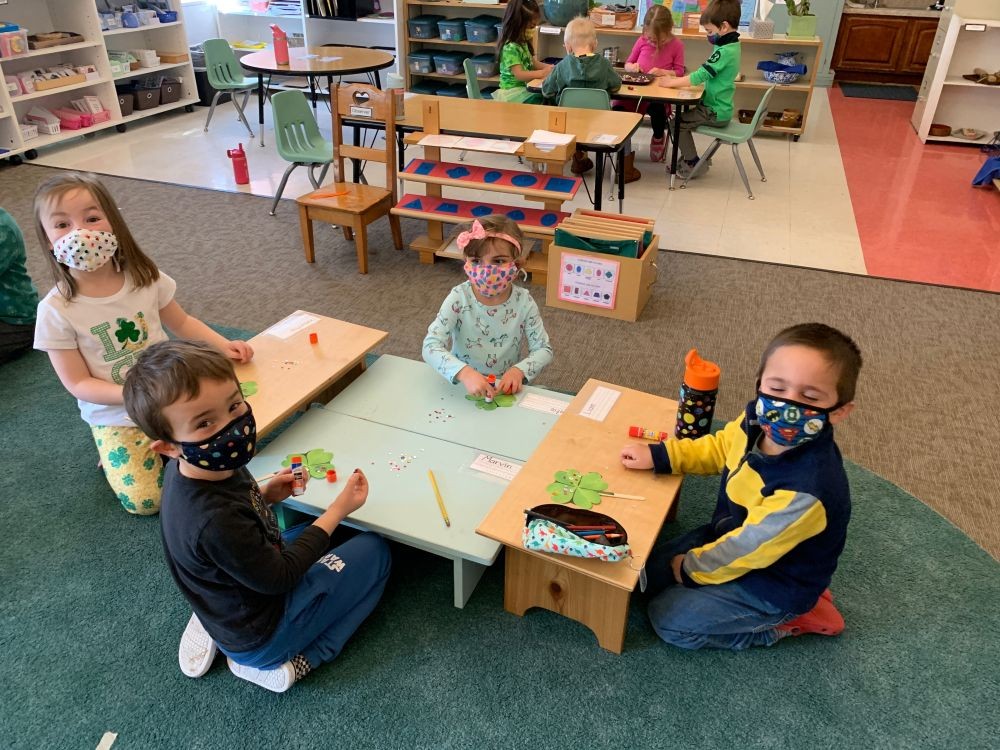
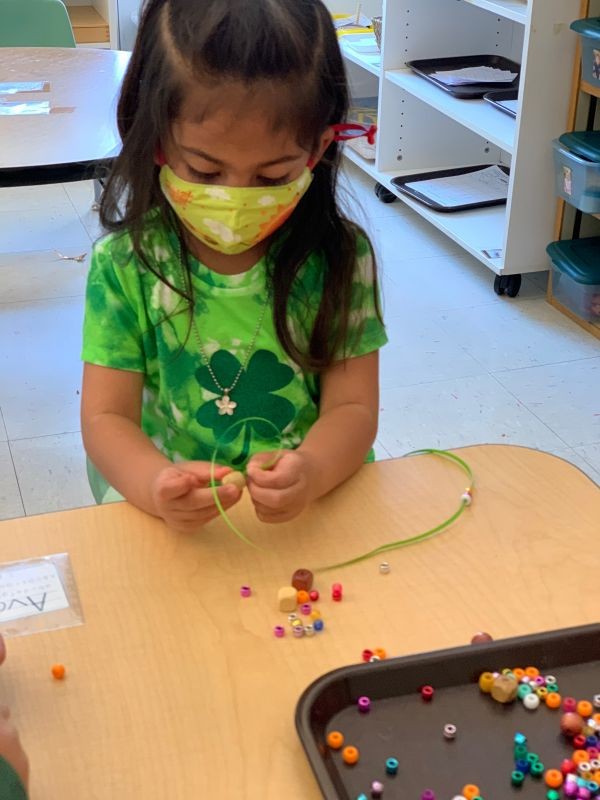
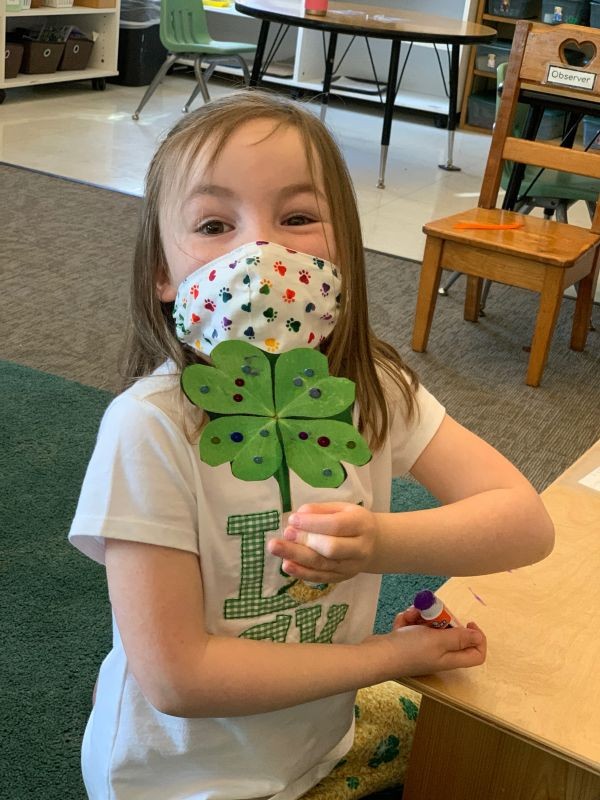
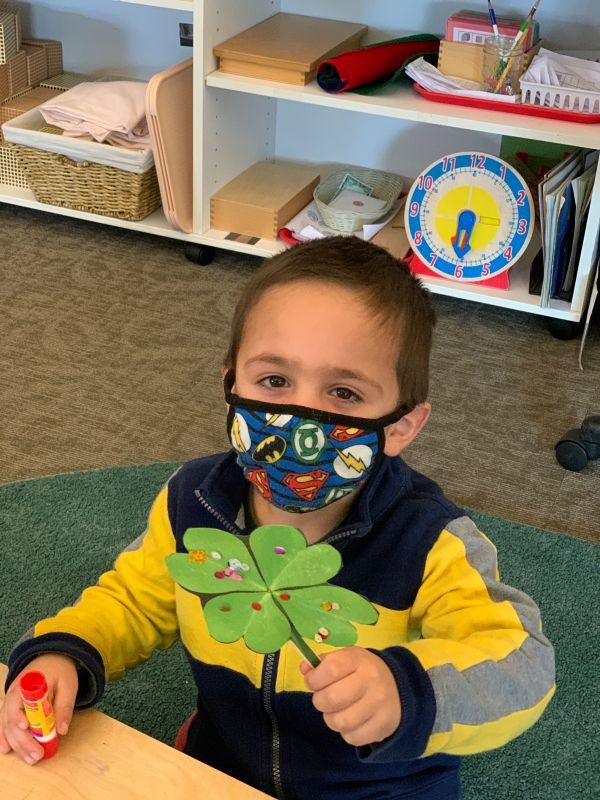
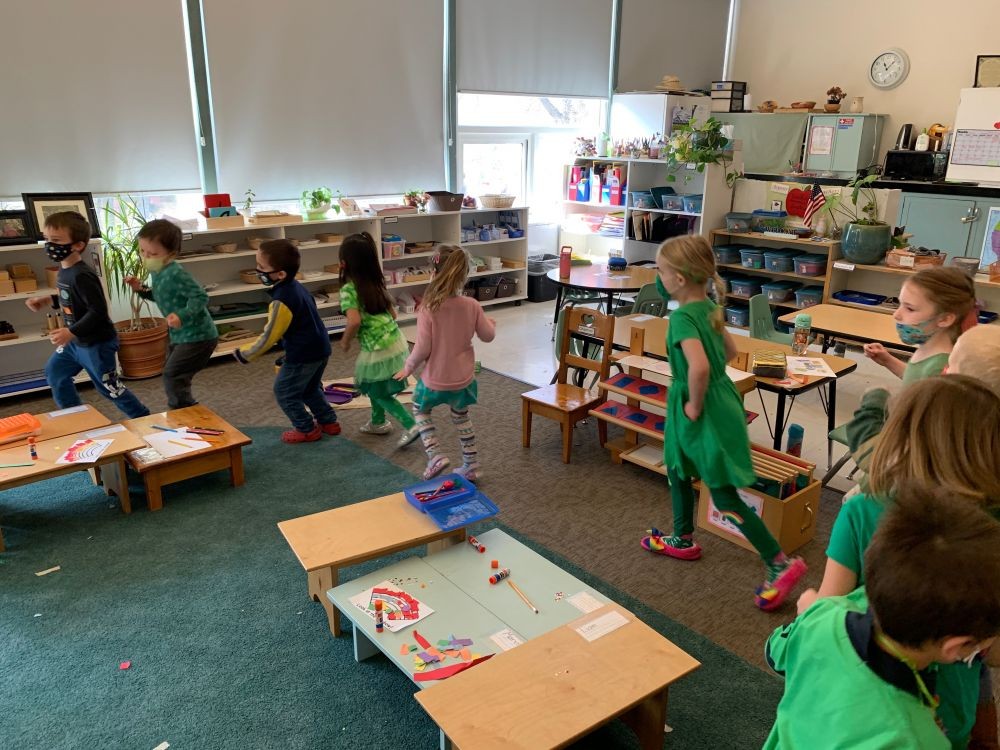
To mark the occasion of Saint Patrick’s Day, FMSL staff and students were decked out in their finest green.

Many students arrived for school eager to tell us that leprechauns had visited their houses. Some had green toilet water, while others found sparkles in the bowl! A few children reported that their milk had turned green overnight but, surprisingly, it still tasted like regular milk.

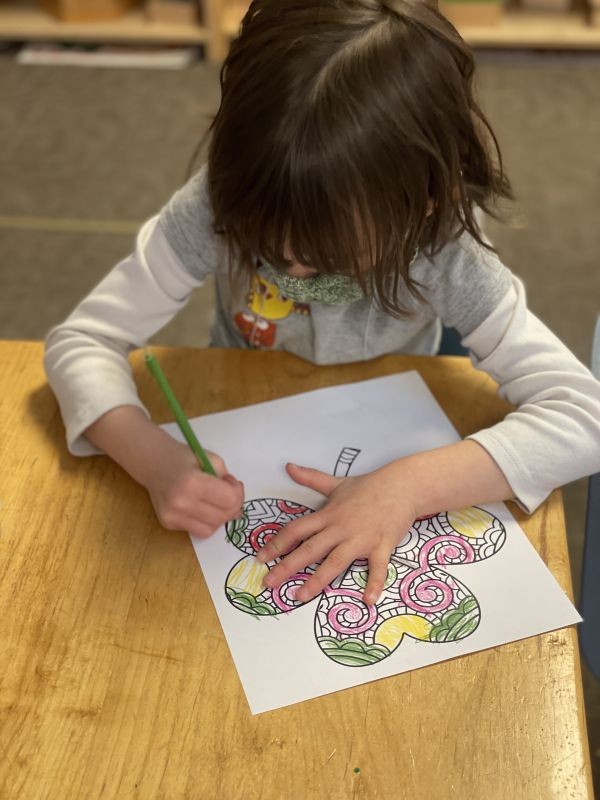
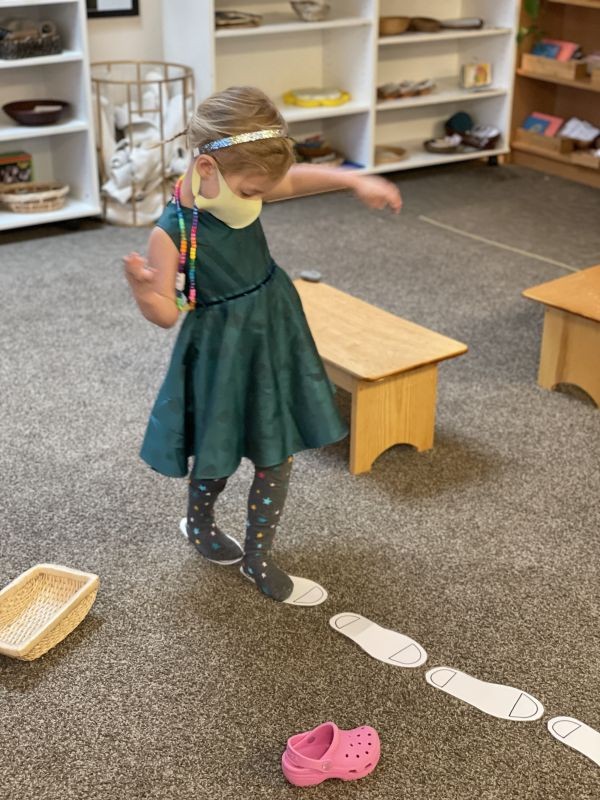
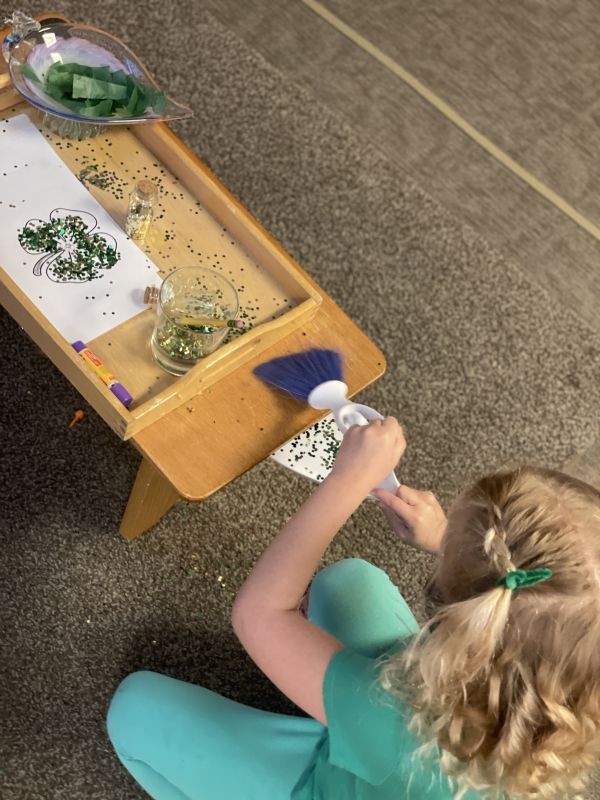
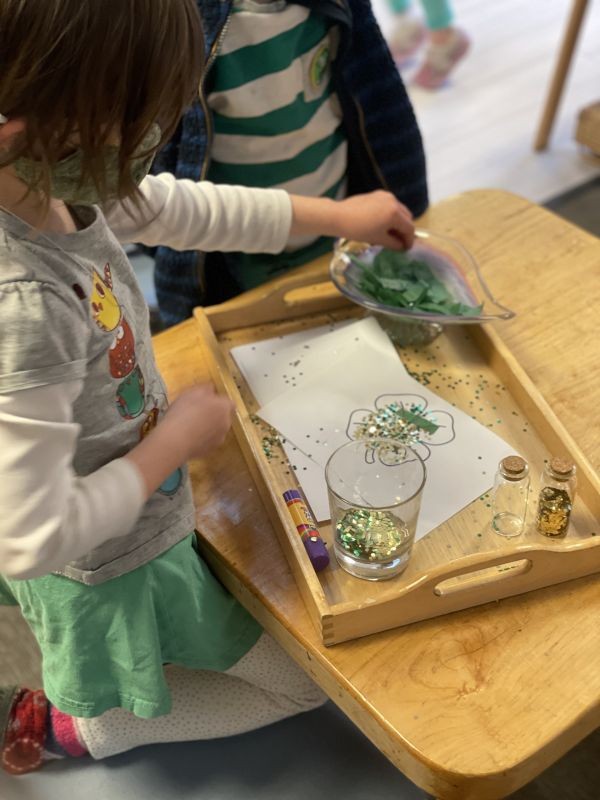
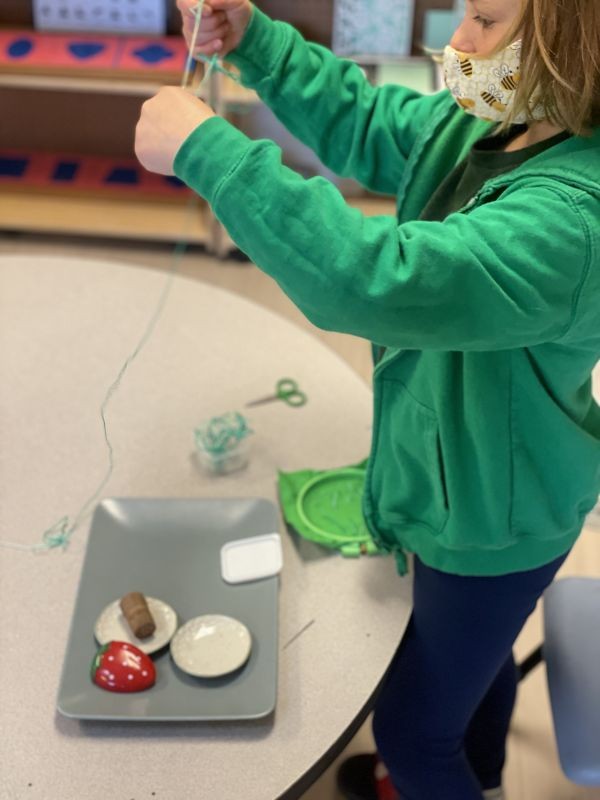
Throughout the day, classes took some time to celebrate and explore the Irish culture. Whether it was creating an Irish themed craft, reading a Celtic myth, listening to traditional music, or dancing a jig, fun was had by all.

Green initiative: school working towards a cleaner environment

The Foothill Montessori of Salt Lake has been working towards a zero emissions, zero carbon footprint for years with solar panels on the roof, electric vehicle charging stations and many recycling programs.

Students learn about ways they can help ensure a clean environment

As students learn about ways they can help ensure a clean environment outside of a school setting, the staff want to ensure that they are leading by example. In 2013 Solar Panels were installed on the roof of the school in order to offset 90% of the power used by the school.

We can see each of these solar panels, what it’s producing at any moment, and the children can watch that

– Bob Buchanan (co-founder)

In 2019 two EV chargers were installed on the south-west side of the building for members to charge their Electric Vehicles. Air quality has always been a huge topic at the school with the PSA helping the school to obtain and install a Purple Outdoor Air Sensor for monitoring air quality. The school installed better air filters in all of their heating units in 2020 to ensure that the air which the students and staff are breathing is as healthy as possible. The school continues to recycle paper plastics, aluminum, tin and glass through curb-side recycling programs. The school community members have also managed some of their own recycling programs for batteries, plastic shopping bags and other hazardous household materials generated from electronics, paint and fluorescent light bulbs.

Staff members work towards their goal of zero carbon emissions

Foothill Montessori of Salt Lake continues to look for additional ways to ensure its students and staff members work towards their goal of zero carbon emissions. Currently we are working towards offsetting the remainder of the school’s power consumption through the Rocky Mountain Blue Sky program to ensure all power used by the school will be from a renewable source. As we upgrade our facility we are installing LED bulbs and researching options for greener ways to heat and cool the building. If you would like to learn more or get involved with our efforts please contact the school. You may track how much power the school is generating back into the electrical grid here.

Summer Camp 2021

Please click here for current summer camp information.

Summer Camp’s theme this year will be Oceania!

Camp Hours will be as follows:

  • 8:45 AM – 3:15 PM for Toddler and Early Childhood Campers (morning drop off occurring from 8:30- 8:45 AM)
  • 8:30 AM- 3:00 PM for Elementary Campers (morning drop off occurring from 8:15- 8:30 AM)
  • Extended Day 8:00 AM- 5:30 PM

Families with students enrolled in Toddlers or Early Childhood AND Elementary are given grace to attend Extended Day for the difference of the time between the programs arrival or dismissal hours.

COVID-19 policies and protocols will be in place for camp, these include:

  • EC and EL campers will wear masks.
  • Camp groups will be kept separate from one another.
  • Families will monitor for symptoms on a daily basis and complete the health screening form prior to arrival at camp.
  • Students who display any COVID symptom will be sent home and referred for testing in order to return.
 
Closer to the start of summer an information meeting regarding camp specifics will be scheduled and camp “packets” will be distributed.

In the meantime, reach out to us.

Looking forward to sunny summer days

Montessori and the Real Building of Self-Esteem

Montessori and the Real Building of Self-Esteem

Montessori education has been building self-esteem for over a hundred years long before it became a
popular buzzword and a psychological “distortion” of reality. All the trappings of the modern self-
esteem movement – participation trophies, not letting children fail, everyone’s outcome is equal – have
no place in Montessori or the reality of the world.

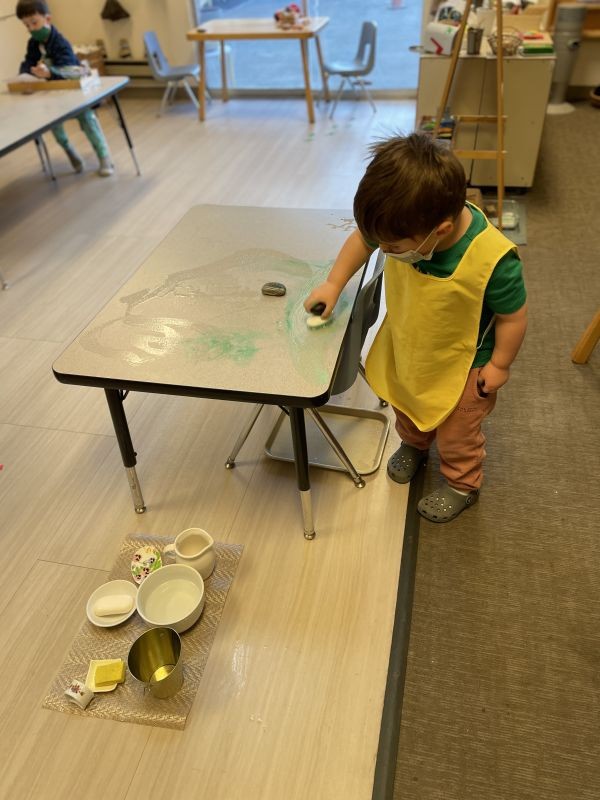
Practical life in Montessori is the foundation of all this reality that is to come. Every practical life exercise
has a beginning, a process and an ending – just like successful life. But there is something in this process
that is so simple yet dynamic – the child builds and feels a sense of power, control, and accomplishment.
It is these early experiences, these early real successes that become the foundation for all the success
that is to come. This self-esteem is internalized and does not come from outside, from what people tell
you but it wells up from within. It comes with the beginning of concentration and self-control (which is
the biggest challenge of life – and a great giver of self-esteem.)

True self-esteem is an approval that comes from within. It is not about pleasing people or being
validated from outside. That is why grades, awards, punishments are not motivating factors in a
Montessori environment. Ironically, self-esteem built in Montessori is not self-centered. The lack of
outward competition (for grades and prizes) creates an attitude of family and community where we help
each other to succeed which also affects how we feel about ourselves.

The real self-esteem of Montessori comes from the continuing sense of accomplishment and of mastery
as the student faces greater challenges and complexity in life. Since making mistakes is part of the
Montessori learning process making mistakes does not undermine a child’s sense of self-esteem nor
does the child crater when faced with “failure”. Montessori children learn to pick up the pieces and get
back in the game. The game of life does not have four quarters, nine innings, eighteen holes or two
halves. It is a continually evolving game as you learn new strategies, techniques, gain new information,
practice new skills and begin to recognize the patterns of life that lead to success. Montessori children
learn first-hand that actions have consequences, that success is spelled w-o- r-k, and that some of the
biggest rewards of life are just personal and do not require anyone else’s acknowledgment or
affirmation. And that doing the right thing for the right reason is an amazing accomplishment all its own
– an amazing adult lesson learned very young.
Self-esteem is “practiced” every day in a Montessori environment. Try – and try again until you reach
your goal. Montessori children don’t wait for an adult’s approval because they learn early that it is their
effort that achieves success. And every goal that they achieve – on their own – builds that unique
amazing sense of accomplishment and self-esteem.

Edward Fidellow

COEEF Update

With some of the Fun Run money raised by the PSA, we have paid for our COEEF students’ tuition and medical expenses for the year. We recently received three beautiful cards of gratitude from Betselot, Mariana and Hana. They also sent us some short thank you videos.



Our Navajo Grandmothers are Beautiful Inside and Out

We are supporting our two grandmothers, Elvira and Anita, through the winter. Thus far, we were able to send firewood, food certificates, medical supplies, and yarn bundles two times. We will send these items again in the spring

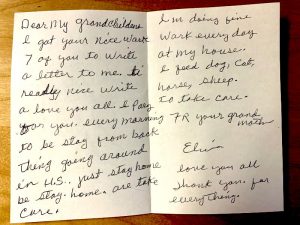
Both of our grandmothers are so grateful for our help as they need our support especially in these COVID times. Upon receiving our recent offers of support, our grandmothers sent lovely cards of appreciation.

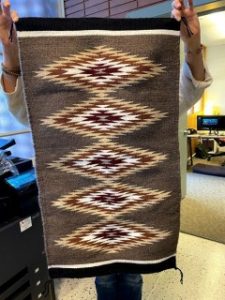
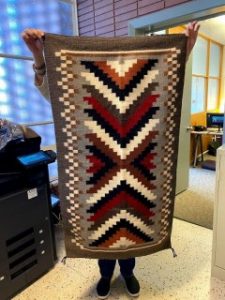
And then a most wonderful surprise arrived- two beautiful rugs.

Our grandmothers are beautiful people. Your support is much appreciated.